


CREATE YOUR INDIVIDUAL NUTRITION PLAN IN 5 EASY STEPS
1. Calculate your total daily calorie expenditure
Choose the right products to match your nutritional goal
-

Collection: 7% tax
SLIM SHAKE POWDER Vanilla-Cream
SLIM SHAKE POWDER Vanilla-Cream
Regular price 8,99€Sale price 8,99€ Regular price22,70€ per kgInhalt : 396 g22,70€ per kg -

Collection: 7% tax
3K PROTEIN SHAKE Yoghurt Lime
3K PROTEIN SHAKE Yoghurt Lime
Regular price 13,49€Sale price 13,49€ Regular price37,47€ per kgInhalt : 360 g37,47€ per kg -

Collection: 7% tax
HIGH PROTEIN PASTA Fusilli
HIGH PROTEIN PASTA Fusilli
Regular price 3,99€Sale price 3,99€ Regular price1,60€ per 100gInhalt : 250 g1,60€ per 100g -

Collection: 7% tax
HIGH PROTEIN PASTA Fusilli box of 10
HIGH PROTEIN PASTA Fusilli box of 10
Regular price 39,90€Sale price 39,90€ Regular price15,96€ per kgInhalt : 2,5 kg15,96€ per kg



2. Define your goals
Once the total energy expenditure has been determined, the next step is to define the goal. The planned total calorie intake plays a crucial role in creating the nutrition plan, depending on whether the goal is, for example, muscle gain or weight loss.
Goal: Muscle building
Calorie surplus (total energy expenditure + 300-500 calories)
Goal: Mass gain
Calorie surplus (total energy expenditure + 500-800 calories)
Goal: Muscle definition
Calorie deficit (total energy expenditure – 300 calories)
Goal: Weight loss
Calorie deficit (total energy expenditure – 500 calories)
3. Determine the correct macronutrient distribution
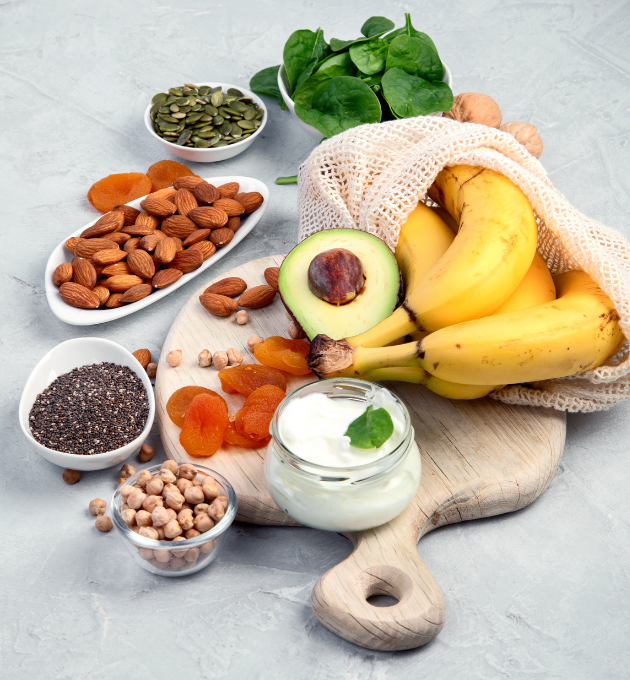
The percentage distribution of macronutrients (proteins, carbohydrates, and fats) in the overall energy balance varies depending on the goal. In the context of muscle building and mass gain, carbohydrates and proteins play a central role in strength gains and muscle growth. These nutrients are the focus here.
The recommended macronutrient distribution is as follows:
Lose weight
20-30% carbohydrates, 25-30% protein, 30-35% fat
Muscle definition
30-40% carbohydrates, 25-30% protein, 25-30% fat
Muscle building/mass gain
55-60% carbohydrates, 20-25% protein, 15-20% fat
4. Choose the appropriate foods
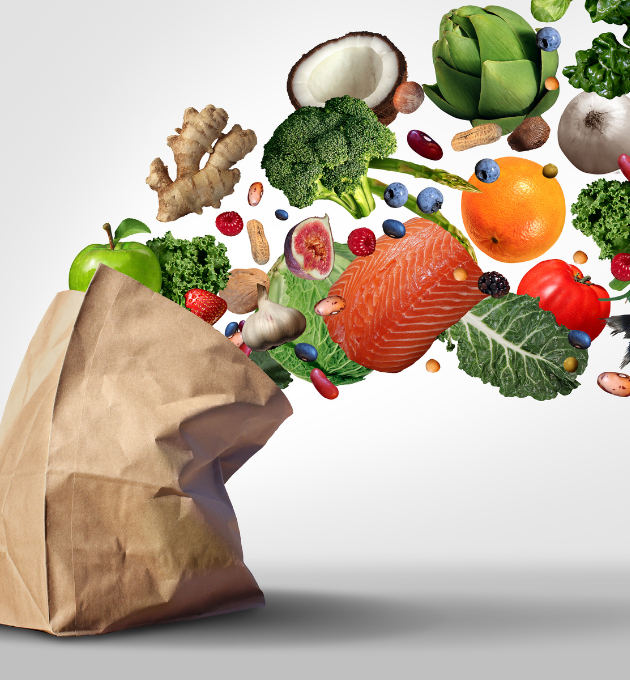
Once the required calorie intake and nutrient distribution have been determined, this forms the basis for creating a nutrition plan. The next step involves selecting the appropriate foods included in the plan. This requires considering not only food intolerances but also personal preferences and dislikes that are individually ingrained in eating habits. Additionally, there are general recommendations for the various nutrients.
If you're training hard to build muscle effectively, protein plays a crucial role. Besides natural food sources, you can also meet or supplement your increased protein needs with protein shakes.

5. Regularly track your progress and adjust your diet plan.
Adjustments to nutrition plans are necessary to address plateaus or changes in goals. After a 4–6 week cycle, it is advisable to review the nutrition plan and adjust it if necessary. Possible adjustments may involve the nutrient ratios or the total calorie intake. Here are some examples of adjustments:
The recommended macronutrient distribution is as follows:
Lack of weight loss when aiming for weight loss / muscle definition:
Reduction of the total calorie intake by 10% from the initial value
Lack of weight gain when aiming for muscle building / mass gain:
Increase the total calorie intake by 10% from the initial value.
FROM THE LAYENBERG COMMUNITY
-

Satt trotz Kaloriendefizit – so bleibst du lang...
Abnehmen bedeutet nicht automatisch Verzicht, Hunger und ständiges Grübeln über Essen. Mit der richtigen Strategie kannst du satt bleiben und trotzdem Gewicht verlieren
Satt trotz Kaloriendefizit – so bleibst du lang...
Abnehmen bedeutet nicht automatisch Verzicht, Hunger und ständiges Grübeln über Essen. Mit der richtigen Strategie kannst du satt bleiben und trotzdem Gewicht verlieren
-

Protein Timing: Wie du deinen Proteinbedarf opt...
Protein ist nicht nur für Sportler wichtig. Entscheidend ist nicht nur, wie viel Eiweiß du zu dir nimmst, sondern auch, wie gut du es über den Tag verteilst.
Protein Timing: Wie du deinen Proteinbedarf opt...
Protein ist nicht nur für Sportler wichtig. Entscheidend ist nicht nur, wie viel Eiweiß du zu dir nimmst, sondern auch, wie gut du es über den Tag verteilst.
-

Protein zum Abnehmen – wie viel brauchst du wir...
Protein gilt als einer der wichtigsten Nährstoffe beim Abnehmen. Doch wie viel brauchst du wirklich – und ist mehr automatisch besser?
Protein zum Abnehmen – wie viel brauchst du wir...
Protein gilt als einer der wichtigsten Nährstoffe beim Abnehmen. Doch wie viel brauchst du wirklich – und ist mehr automatisch besser?


