


REDUCE YOUR BODY FAT IN 4 EASY STEPS
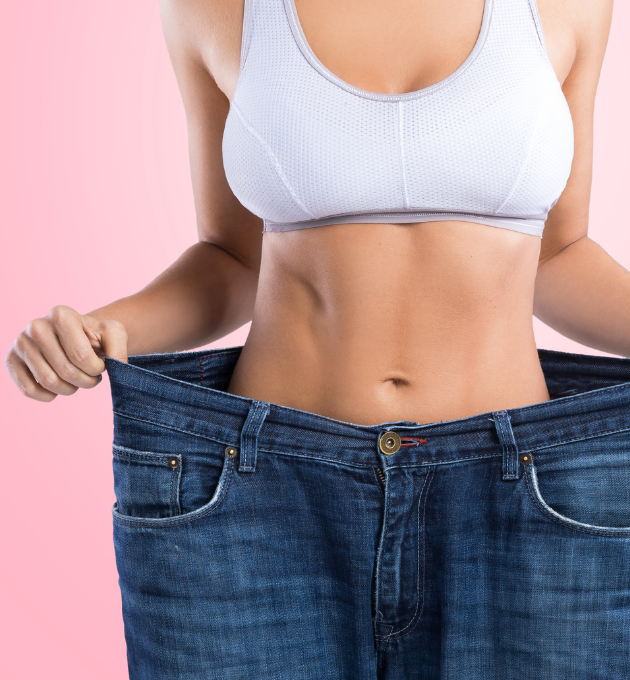
1.
Calculate body fat percentage
Measuring tape (waist-to-hip ratio)
- Determines the ratio between waist and hip circumference.
- Provides a rough estimate of body fat percentage, especially in the abdominal area.
- Easy to perform, but less precise compared to other methods.
Body fat scale (Bioelectrical Impedance Analysis):
- It measures body fat percentage using electrical impulses sent through the body.
- Requires special scales with integrated electrodes.
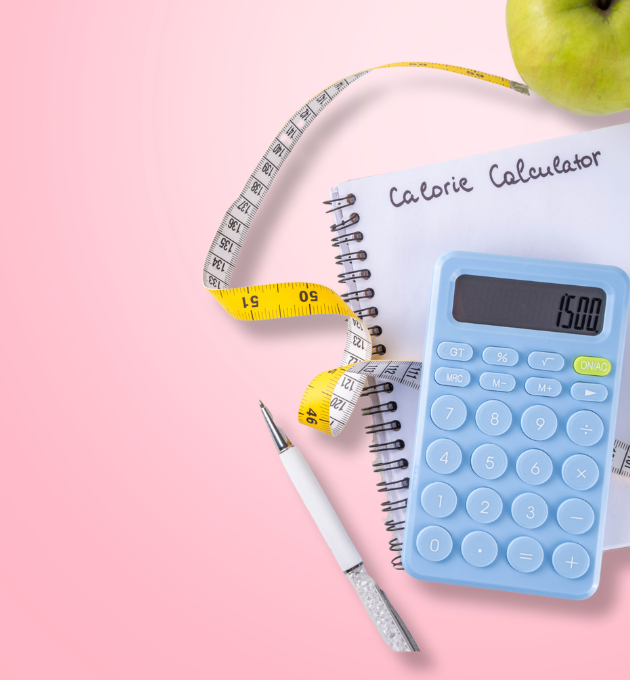
2.
reduce calorie intake
An effective strategy for reducing body fat and calories without affecting metabolism requires a precise approach.
The first step involves a targeted reduction in daily calorie intake. This reduction should be aligned with the individual's total energy expenditure.
It is recommended to aim for a calorie deficit of 500 to 800 kcal per day. Determining your total daily energy expenditure is easily done using our simple calorie calculator.
-

Collection: 7% tax
SLIM SHAKE POWDER Vanilla-Cream
SLIM SHAKE POWDER Vanilla-Cream
Regular price 8,99€Sale price 8,99€ Regular price22,70€ per kgInhalt : 396 g22,70€ per kg -

Collection: 7% tax
SLIM SHAKE POWDER Espresso-Macchiato
SLIM SHAKE POWDER Espresso-Macchiato
Regular price 8,99€Sale price 8,99€ Regular price22,70€ per kgInhalt : 396 g22,70€ per kg -

Collection: 7% tax
SLIM SHAKE POWDER Banana-Quark
SLIM SHAKE POWDER Banana-Quark
Regular price 8,99€Sale price 8,99€ Regular price22,70€ per kgInhalt : 396 g22,70€ per kg -

Collection: 7% tax
SLIM SHAKE READY-TO-DRINK Raspberry Vanilla
SLIM SHAKE READY-TO-DRINK Raspberry Vanilla
Regular price 2,69€Sale price 2,69€ Regular price8,15€ per lInhalt : 330 ml8,15€ per l -

Collection: 7% tax
SLIM SHAKE READY-TO-DRINK Peach-Passionfruit
SLIM SHAKE READY-TO-DRINK Peach-Passionfruit
Regular price 2,69€Sale price 2,69€ Regular price8,15€ per lInhalt : 330 ml8,15€ per l -

Collection: 7% tax
SLIM SHAKE READY-TO-DRINK Caffé Latte
SLIM SHAKE READY-TO-DRINK Caffé Latte
Regular price 2,69€Sale price 2,69€ Regular price8,15€ per lInhalt : 330 ml8,15€ per l -
SLIM SHAKE READY-TO-FIX Peach-Passionfruit box of 8
Regular price 21,52€Sale price 21,52€ Regular price8,15€ per lInhalt : 2,64 l8,15€ per l -
SLIM SHAKE READY-TO-FIX Raspberry-Vanilla box of 8
Regular price 21,52€Sale price 21,52€ Regular price8,15€ per lInhalt : 2,64 l8,15€ per l -

Collection: 7% tax
SLIM SHAKE READY-TO-FIX Caffé Latte box of 8
SLIM SHAKE READY-TO-FIX Caffé Latte box of 8
Regular price 21,52€Sale price 21,52€ Regular price8,15€ per lInhalt : 2,64 l8,15€ per l -

Collection: 7% tax
DIET5 BOWL 5 Daily ration Choco Banana
DIET5 BOWL 5 Daily ration Choco Banana
Regular price 14,95€Sale price 14,95€ Regular price5,98€ per 100gInhalt : 250 g5,98€ per 100g -

Collection: 7% tax
DIET5 Soup 5-Day Ration Thai Curry
DIET5 Soup 5-Day Ration Thai Curry
Regular price 14,95€Sale price 14,95€ Regular price6,36€ per 100gInhalt : 235 g6,36€ per 100g -

Collection: 7% tax
DIET5 BOWL 5-Pack Daily Ration Cherry Berry
DIET5 BOWL 5-Pack Daily Ration Cherry Berry
Regular price 14,95€Sale price 14,95€ Regular price5,98€ per 100gInhalt : 250 g5,98€ per 100g -

Collection: 7% tax
SLIM SHAKE POWDER vanilla cream box of 6
SLIM SHAKE POWDER vanilla cream box of 6
Regular price 53,94€Sale price 53,94€ Regular price22,70€ per kgInhalt : 2,376 kg22,70€ per kg -

Collection: 7% tax
SLIM SHAKE POWDER Espresso Macchiato box of 6
SLIM SHAKE POWDER Espresso Macchiato box of 6
Regular price 53,94€Sale price 53,94€ Regular price22,70€ per kgInhalt : 2,376 kg22,70€ per kg -
DIET5 SHAKE POWDER 5 daily ration of iced coffee
Regular price 14,95€Sale price 14,95€ Regular price6,36€ per 100gInhalt : 235 g6,36€ per 100g -

Collection: 7% tax
DIET5 Shake Powder 5-Day Ration Chocolate
DIET5 Shake Powder 5-Day Ration Chocolate
Regular price 14,95€Sale price 14,95€ Regular price6,36€ per 100gInhalt : 235 g6,36€ per 100g -

Collection: 7% tax
SLIM SHAKE POWDER banana curd box of 6
SLIM SHAKE POWDER banana curd box of 6
Regular price 53,94€Sale price 53,94€ Regular price22,70€ per kgInhalt : 2,376 kg22,70€ per kg -

Collection: 7% tax
DIET5 SHAKE POWDER 5 daily ration Vanilla
DIET5 SHAKE POWDER 5 daily ration Vanilla
Regular price 14,95€Sale price 14,95€ Regular price6,36€ per 100gInhalt : 235 g6,36€ per 100g -

Collection: 7% tax
DIET5 DAILY RATION Your Mix
-

Collection: 7% tax
WEIGHT LOSS PACKAGE Classic
SaleWEIGHT LOSS PACKAGE Classic
Regular price 24,99€Sale price 24,99€ Regular price21,04€ per kg26,97€Inhalt : 1,188 kg21,04€ per kgSale -
Collection: 7% tax
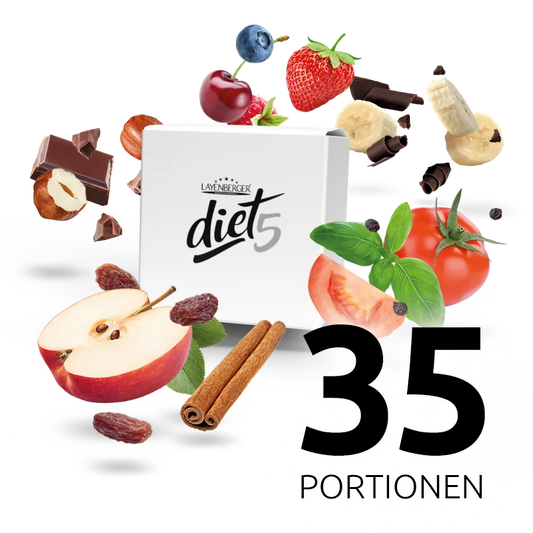
DIET5 7-DAY DIET Your Mix
SaleSale -
Collection: 7% tax
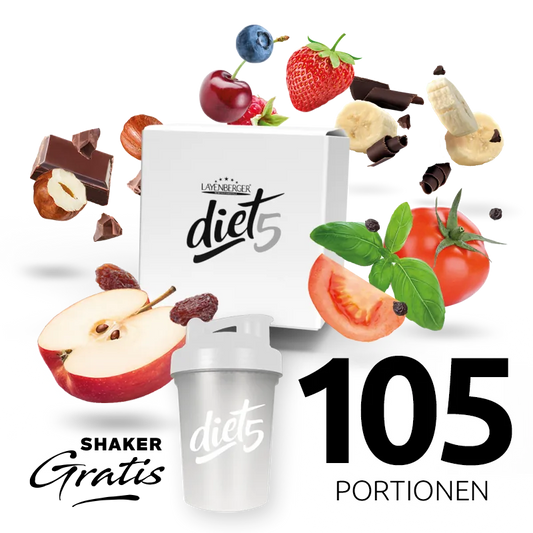
DIET5 21-DAY DIET Your Mix
SaleDIET5 21-DAY DIET Your Mix
Regular price 275,00€Sale price 275,00€ Regular price56,12€ per kg321,90€Inhalt : 4,9 kg56,12€ per kgSale


3.
Apply the correct fabric distribution
The key to successfully reducing body fat lies in a balanced and calorie-conscious diet. Choosing the right foods and consistently adhering to a nutrition plan are of central importance.
The foundation of the nutrition plan consists of high-quality proteins, preferably complex carbohydrates, sufficient fiber, and healthy fats. In our step-by-step guide to creating nutrition plans, we have listed the most important points in a way that is easy for everyone to implement.
4.
Reduce and maintain body weight
The goal of reducing body fat is characterized by a loss of body weight. Initially, the weight loss is faster.
Over time, progress slows as the body strives for equilibrium and the metabolism adapts to the reduced calorie intake. Fewer hormones are released, the metabolic rate decreases, and the body craves more calories.
To ensure long-term success and prevent the so-called yo-yo effect, calorie intake should be gradually adjusted to the actual calorie expenditure of the new body weight once the desired weight has been reached. It is also recommended to continue following a nutrition plan to ensure optimal nutrient distribution and to reduce the risk of a calorie surplus.
FROM THE LAYENBERG COMMUNITY
-

Satt trotz Kaloriendefizit – so bleibst du lang...
Abnehmen bedeutet nicht automatisch Verzicht, Hunger und ständiges Grübeln über Essen. Mit der richtigen Strategie kannst du satt bleiben und trotzdem Gewicht verlieren
Satt trotz Kaloriendefizit – so bleibst du lang...
Abnehmen bedeutet nicht automatisch Verzicht, Hunger und ständiges Grübeln über Essen. Mit der richtigen Strategie kannst du satt bleiben und trotzdem Gewicht verlieren
-

Protein Timing: Wie du deinen Proteinbedarf opt...
Protein ist nicht nur für Sportler wichtig. Entscheidend ist nicht nur, wie viel Eiweiß du zu dir nimmst, sondern auch, wie gut du es über den Tag verteilst.
Protein Timing: Wie du deinen Proteinbedarf opt...
Protein ist nicht nur für Sportler wichtig. Entscheidend ist nicht nur, wie viel Eiweiß du zu dir nimmst, sondern auch, wie gut du es über den Tag verteilst.
-

Protein zum Abnehmen – wie viel brauchst du wir...
Protein gilt als einer der wichtigsten Nährstoffe beim Abnehmen. Doch wie viel brauchst du wirklich – und ist mehr automatisch besser?
Protein zum Abnehmen – wie viel brauchst du wir...
Protein gilt als einer der wichtigsten Nährstoffe beim Abnehmen. Doch wie viel brauchst du wirklich – und ist mehr automatisch besser?


